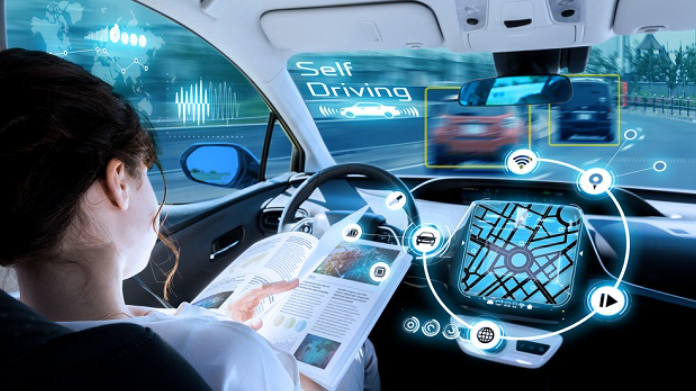
Transportation technology innovations are reshaping urban mobility in significant ways. Electric vehicles are becoming more prevalent, changing how people commute. Simultaneously, advancements in autonomous systems promise to redefine safety and efficiency on the roads. Public transit solutions are evolving to meet growing demands, while drones are transforming logistics and delivery services. As these developments unfold, critical questions about regulation and ethics emerge, hinting at the complexities that lie ahead for an adaptable transportation ecosystem.
How Electric Vehicles Are Revolutionizing Urban Mobility
As urban populations expand and environmental concerns intensify, electric vehicles (EVs) emerge as a pivotal solution in reshaping urban mobility.
The integration of robust charging infrastructure into urban planning is essential for maximizing EV adoption.
This transformative approach not only reduces emissions but also liberates city dwellers from reliance on fossil fuels, fostering a sustainable, efficient, and flexible transportation ecosystem that aligns with modern urban lifestyles.
The Impact of Autonomous Technology on Transportation’s Future
Autonomous technology is poised to transform transportation by enhancing safety, efficiency, and accessibility. As vehicles become increasingly autonomous, safety regulations must adapt to mitigate risks associated with new technologies.
Additionally, concerns surrounding data privacy will emerge, necessitating robust frameworks to protect user information.
Ultimately, the integration of autonomy in transportation offers potential for unprecedented freedom, yet requires careful consideration of regulatory and ethical challenges.
Innovations in Public Transit for Better Efficiency
The evolution of transportation technology extends beyond autonomous vehicles, significantly impacting public transit systems.
Innovations such as smart ticketing streamline fare collection, enhancing user experience and operational efficiency.
Meanwhile, real-time tracking empowers passengers with updated information, reducing wait times and optimizing routes.
Together, these advancements not only foster a more responsive transit environment but also promote individual freedom, encouraging greater public transport usage.
See also: Transparency in AI Technology
Drones in Transportation Technology: Logistics and Delivery Innovations
While many industries have begun to embrace drones for various applications, their integration into logistics and delivery systems represents a transformative shift in transportation technology.
Drone delivery enhances logistics optimization by reducing transit times and costs. This innovation not only increases efficiency but also provides unparalleled flexibility, allowing businesses to meet consumer demands swiftly, thereby fostering a sense of freedom in the delivery landscape.
Conclusion
In examining the transformative potential of transportation technology innovations, it becomes evident that their success hinges not only on technological advancements but also on the resolution of regulatory and ethical challenges. The theory posits that a truly sustainable urban mobility ecosystem can only emerge when safety, privacy, and user trust are prioritized alongside efficiency. As cities embrace electric vehicles, autonomous systems, and drones, a careful balance between innovation and ethical considerations will shape the future of urban transportation.