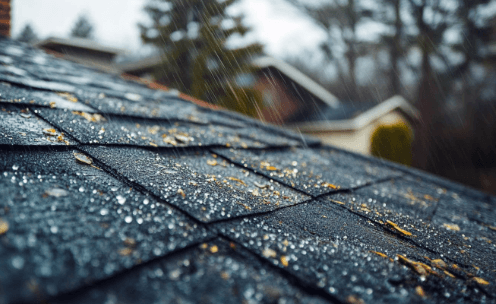
After a hailstorm, the roof does not always look badly damaged from the ground. That is exactly why so many homeowners wait. A few impact marks, some loosened granules, or a slightly bent flashing edge can seem too minor to worry about. But that kind of delay is often what turns a manageable repair into a far more expensive problem. For homeowners considering roof repair Boise, the real issue is not whether the roof looks catastrophic right away. It is whether the storm created weak points that will keep getting worse.
Hail damage tends to create problems that spread quietly. A shingle can be bruised without splitting open immediately. Flashing can shift just enough to let in water during the next storm. A small opening around a vent can stay unnoticed until moisture has already reached the decking or attic insulation. By the time interior signs appear, the repair is often larger than it would have been if the damage had been addressed earlier.
What Looks Minor After a Storm Can Lead to Bigger Roof Problems
Hail damage is easy to put off because it does not always look serious right away. The roof may not leak that day, and there may be no obvious hole or missing section to draw attention. From the ground, everything can seem mostly intact. That is often why homeowners assume the storm did not do much harm.
The problem is that hail can weaken shingles without creating an immediate leak. It can knock away granules, bruise the surface, and shorten the life of the material in the damaged area. Once that protection is reduced, the shingles are less able to handle sun, rain, and changing temperatures. A section that seemed only lightly affected after the storm can wear down faster and become a much more noticeable problem later.
Waiting to Repair the Roof Gives Water Time to Spread
The real problem is not always the damaged shingle you can see. It is the water that can slip underneath once that area has been weakened. After that, moisture does not always stay close to the original damage. It can move into the underlayment, soak the wood below, and reach insulation or other nearby materials before there is any clear sign inside the home.
That is why putting off a repair often leads to a larger job. What might have started as a limited fix can turn into damaged decking, interior staining, or other moisture-related issues below the roof surface. The longer the area is left exposed, the easier it becomes for water to spread.
A Roof Can Take Storm Damage Without Showing Much From the Ground
Hail damage is often harder to spot than homeowners expect. The roof can still look mostly normal from the yard, even when key areas have been weakened. Flashing, roof penetrations, and transition points are especially vulnerable because even small changes in those spots can make it easier for water to get in.
The signs inside the home usually show up later. A ceiling stain, damp insulation, or a musty smell in the attic may not appear until well after the storm has passed. Once that happens, the issue is no longer limited to the surface. It can mean moisture has already moved into parts of the roof system that were supposed to stay dry.
A Small Roof Issue Is Easier to Handle Before Water Gets Further In
When hail damage is caught early, the repair is usually much more contained. Replacing a few shingles or fixing a vulnerable area around flashing is far simpler than dealing with moisture that has already reached insulation, wood, or interior surfaces. Once water moves past the outer roofing materials, the scope of the repair often changes quickly.
That is why a roof inspection matters even when the damage does not look severe from the ground. Hail can weaken parts of the roof without leaving obvious signs from a distance. A closer inspection helps determine whether the problem is limited or whether the storm left behind damage that could lead to bigger trouble later.
See also: A Practical Guide for Stress-Free Relocation in Australia
The Best Time to Address Hail Damage Is Before It Spreads
Hail damage has a way of looking smaller than it really is. A roof may seem fine for a while, but weakened shingles and flashing do not usually stay stable through more sun, rain, and temperature swings. What starts as a limited problem can grow into water intrusion, damaged materials below the surface, and a much more involved repair.
That is why waiting rarely works in a homeowner’s favor. A timely inspection can show whether the storm caused damage that needs attention now, before it leads to bigger issues later. For homeowners considering roof repair Boise, the goal is not to overreact. It is to deal with a vulnerable roof before a manageable fix becomes a far more expensive one.